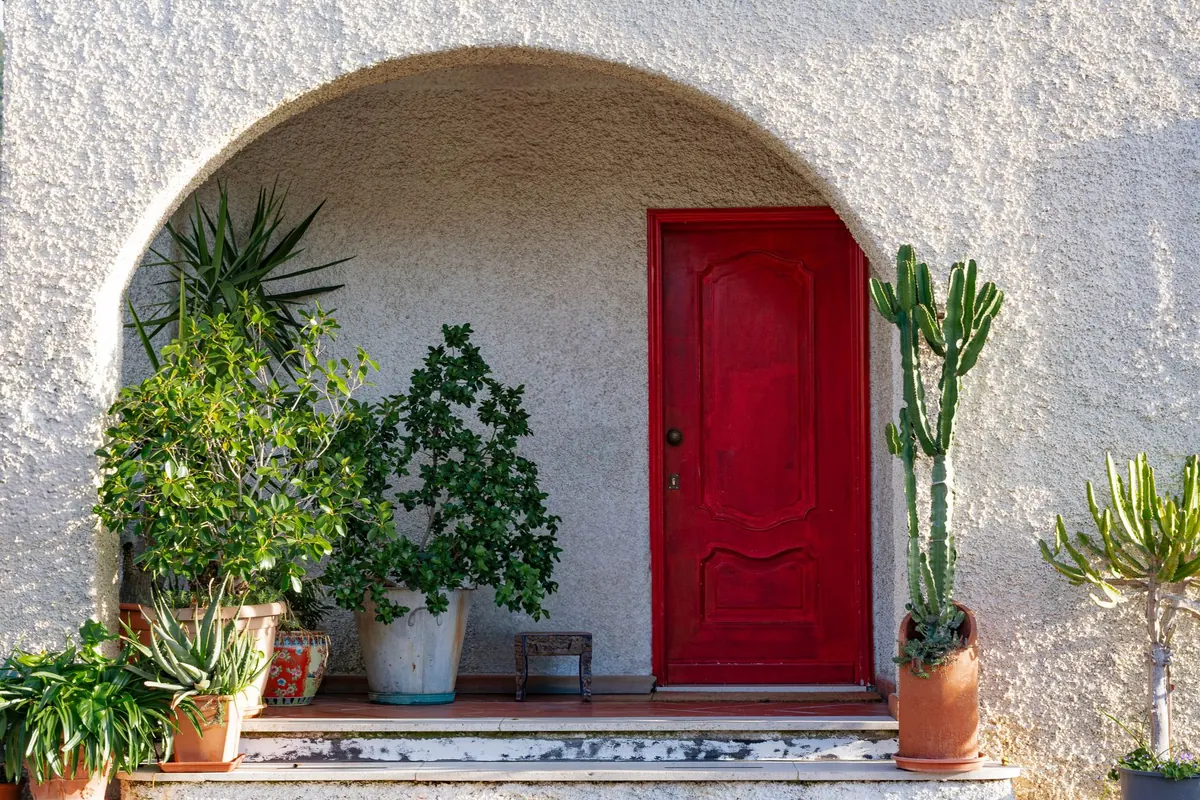
A covered porch on the shaded side of the house is one of the kindest places to garden, once you stop fighting it. No midday sun bleaches the leaves; no hose has to be dragged across hot concrete at noon. What you get instead is soft, even light, cool air, and a set of problems that are mostly about water and root space rather than sunshine. Get those two things right and a dim corner will hold ferns, hostas, begonias and trailing ivy that look as though they have been there for years.
Most porch containers fail for one of three reasons. The plant wanted sun. The pot was too small. Or the watering was done by feeling rather than by checking. None of these is difficult to fix, and the fixes take about twenty minutes of setting up at the start of the season.
Start by Reading the Light
"Shade" is not one condition. Before you buy a single plant, spend a day noticing your porch at three moments: mid-morning, early afternoon, and late afternoon. Note whether you can see a slice of open sky from where the pots will sit, and whether the wall or floor behind them is pale enough to bounce light back onto the leaves. A white wall and a light concrete floor can turn a gloomy corner into something quite bright.
A quick test with your hand tells you most of what you need. Hold it a foot above the spot where the pot will go. A hard-edged shadow means sun reaches there for part of the day — treat it as part shade and choose plants that tolerate a little direct light. A soft, blurry shadow means bright indirect light, the easiest condition of all. No shadow at all means deep shade, where foliage plants do the heavy lifting and flowers are a bonus rather than a plan.
One more thing worth noticing: is the porch roofed? If rain never reaches the pots, you are gardening in dry shade, and every drop those plants get will come from your watering can. That single fact shapes the rest of the season.
Plants That Actually Perform in Porch Shade
Foliage earns its keep in low light. A well-grown fern or hosta has more presence than a sulking flowering plant, and it does not need a sunnier home to be happy. Build the display around leaves, then add flowers as accents.
- Ferns — Boston fern for hanging pots, autumn fern and holly fern for upright clumps. They want consistent moisture and hate drying out.
- Hostas — wide pots, rich soil, protection from slugs. The bigger the leaf, the better they look in shade.
- Heuchera and tiarella — grown for leaf colour, from lime green to deep burgundy, and they hold up well into autumn.
- Begonias — wax begonias for steady small flowers, tuberous types for something more dramatic in a big pot.
- Impatiens — the most reliable flowering choice for genuinely dark corners. New Guinea impatiens take a little more light.
- Coleus — vivid, fast, easy from cuttings, but give it the brightest spot on the porch or it will stretch and pale.
- Trailers — ivy, sweet potato vine in lime or bronze, and creeping jenny to soften pot edges.
- Fuchsia and lobelia — good in bright shade, less so in deep corners; both appreciate cool roots.
Skip lavender, rosemary, petunias and most Mediterranean herbs. They will survive a few weeks on hope and then decline quietly, and no amount of feeding rescues a plant in the wrong light.
Choosing Pots: Size, Material, and Drainage
Go bigger than feels reasonable
Pot size is where most beginners undershoot. A larger volume of soil holds more moisture and more roots, and it swings less wildly in temperature over a hot afternoon. As a working rule, a plant that will finish 50–60cm tall needs a pot at least 30–35cm across. Hostas and ferns prefer width over depth because their roots run outward. Tall fuchsias and anything acting as a small shrub want 40cm or more, partly for the roots and partly so the pot does not tip in wind.
Small pots are not forbidden; they are just more work. A 20cm pot of impatiens on a shaded porch may need water every second day in July. The same plant in a 35cm pot might go four.
Material and drainage
Unglazed terracotta breathes and looks right, but it dries faster than anything else on the shelf, which matters in dry shade. Glazed ceramic holds moisture and adds weight. Plastic is light and cheap, though dark colours heat up. Wooden planters and fabric grow bags suit larger displays and are easier to move than ceramic.
Whatever you choose, check for drainage holes before you fill it — and if a big pot has only one small hole in the base, drill two more. Stand pots on feet or bricks so water can leave freely, and skip the layer of gravel or broken crocks at the bottom. It does not improve drainage; it just raises the water table inside the pot.
Soil that holds water without staying soggy
Use a proper container mix, not garden soil, which compacts in a pot and drains poorly. A peat-free or coir-based mix with perlite blended through it suits most shade plants. Mulch the surface with bark chips to slow evaporation, and leave a couple of centimetres of rim clear so water does not spill straight over the side.
A Watering Routine You Will Actually Keep
How often, in practice
Forget the calendar and check the soil. Push a finger two to three centimetres into the mix, or lift the pot an inch to judge its weight; a light pot is a dry pot. Water when the top layer is dry but before the whole rootball has gone dusty.
A rough seasonal rhythm for a shaded, roofed porch:
- Spring — newly planted pots every five to seven days, less if the weather is cool and damp.
- Early summer — every three to four days, and check daily once the foliage fills out.
- Midsummer — every two to three days for small pots, every three to four for large ones. Hanging baskets may need daily attention.
- Autumn — taper off as growth slows; overwatering in cool weather is a common cause of rot.
These are starting points, not rules. A windy week, a hot spell, or a plant that has doubled in size will all change the answer.
How to water so it counts
Water in the morning if you can, so foliage dries before evening. Pour slowly at the rim, let the surface settle, then come back and finish the job — a quick splash only wets the top centimetre. If a pot has dried out badly, water it twice with ten minutes between, or set it in a bucket to soak.
Empty saucers after half an hour; standing water suffocates roots. If you are away often, self-watering pots, a drip tray, or simply grouping pots together will buy you a few days. Grouping is free and works well, since plants shade each other's pots.
Feeding and the Ten-Minute Weekly Round
Container plants run out of food because they only have what you gave them. Mix a slow-release fertiliser into the soil at planting, then feed flowering pots with a liquid feed every two to three weeks through summer. Foliage plants need less; overfeeding produces floppy, pale growth that looks worse than slow growth.
Once a week, take a walk with a cup of coffee and do the small jobs: pinch out leggy coleus, deadhead begonias and impatiens, clear yellowing leaves before they rot, look under the pots for slugs. Ten minutes of tidying does more for a porch display than an hour of frantic fixing later.
A Porch That Takes Care of
Photo: Kateryna Tartachna / Pexels