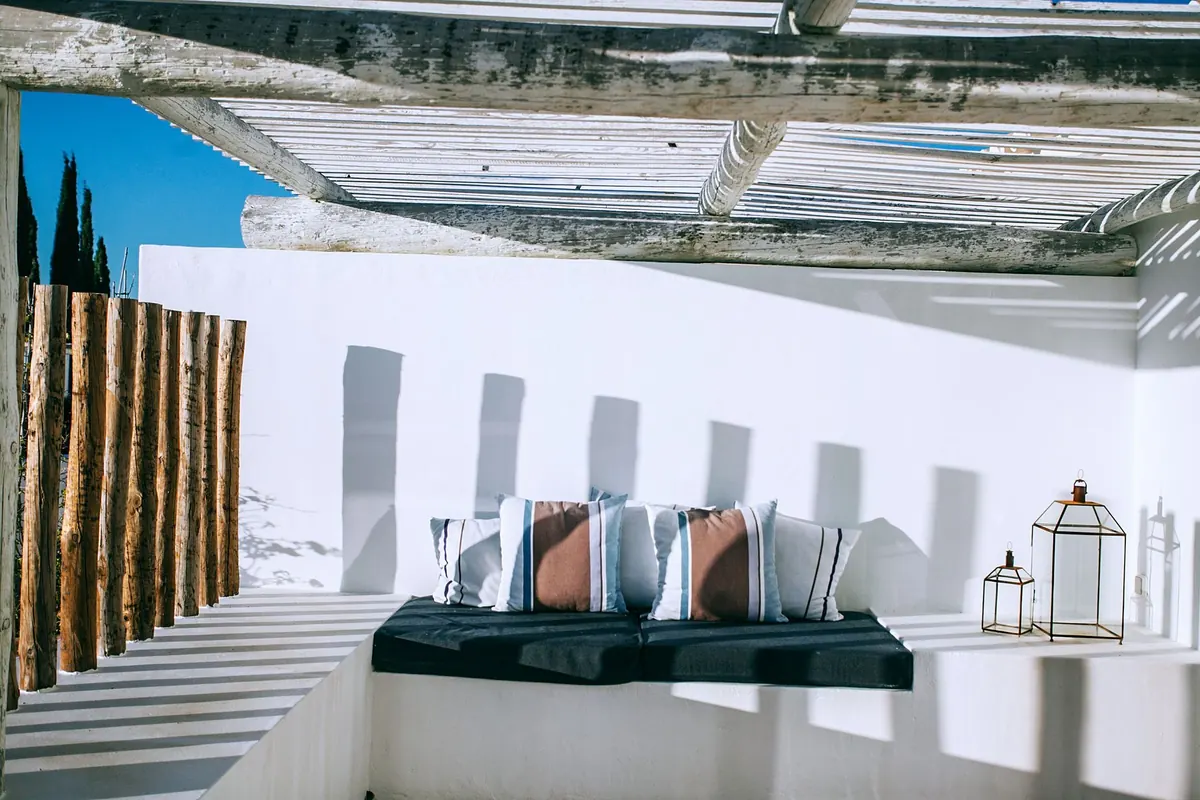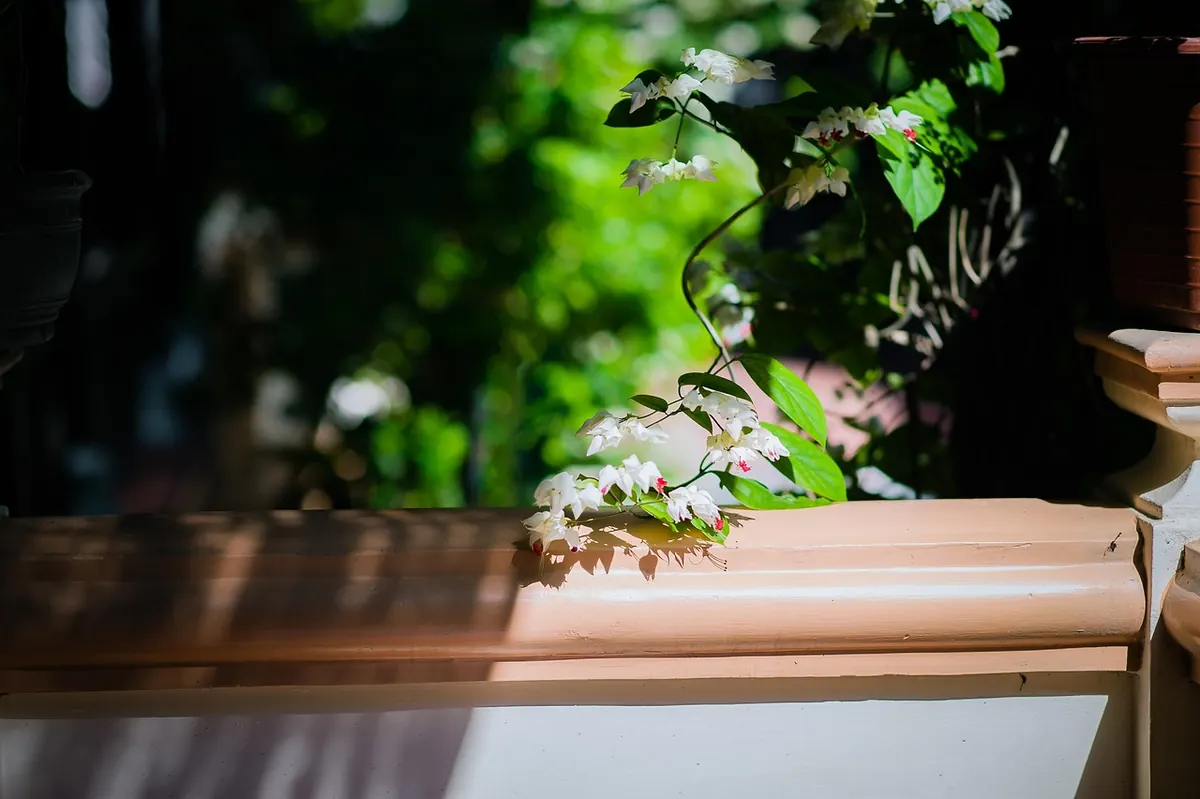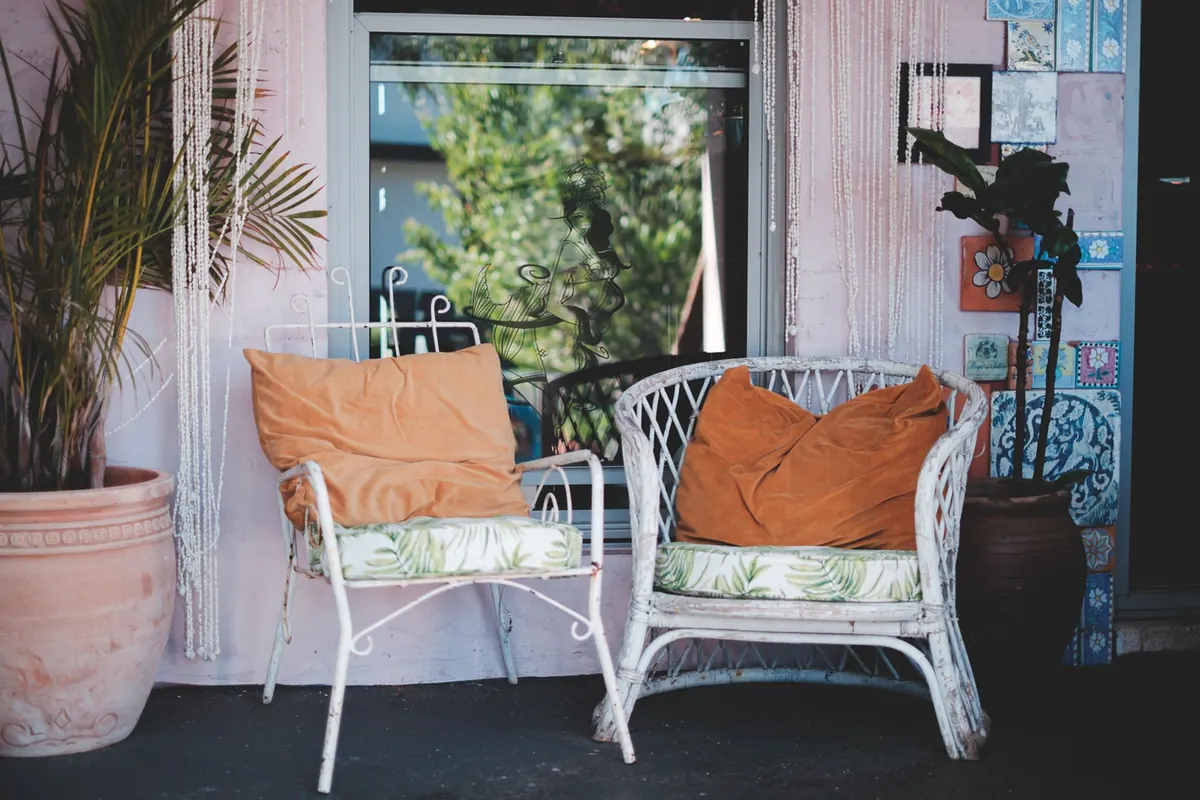
A porch can feel like a single room, but step from one end to the other and the conditions change. The corner by the steps may catch full afternoon sun while the wall beside the door stays cool and damp. A gust that rattles the hanging sign may never reach the seating nook behind the planter. These small differences are microclimates, and they decide which plants sulk, which paint chalks, and which chair frame gives up after two wet winters.
None of this requires a weather station. It requires a few weeks of paying attention, a notebook, and the willingness to choose for the actual porch rather than the porch you see in a catalogue.
Reading the Porch Like a Map
Visit the porch at three moments: early morning, mid-afternoon, and after rain. Note where the sun lands, where the wind pushes, where water stands, and where surfaces stay dry. A porch attached to a house often has a rain shadow close to the wall and a splash zone at the open edge. The roof overhang protects some seats and leaves others exposed. A side wall may create a wind tunnel; a railing may do almost nothing.
Use this short routine to turn observation into a workable map:
- Mark the light. Trace the sun’s path across the floor at 9 a.m., 1 p.m., and 5 p.m. Note which spots are bright all day and which only catch a slant of light.
- Watch the wind. On a breezy day, tie a light ribbon to the railing and see where it lifts. Check corners, stair openings, and the ends of the porch.
- Follow the water. After rain, look for dark patches, grit lines, and drips from the roof edge. Feel the wall behind planters and under furniture.
- Check the dry zones. Some spots stay dry enough for a book and a cushion; others need materials that can handle a soaking.
Sun and Shade: Plants, Paint, and Heat
Plant choice follows the light first. In a hot, bright porch, choose plants that tolerate strong sun and drying soil: lavender, rosemary, sedum, ornamental grasses, and succulents in pots that can take the heat. In a cool, shaded corner, ferns, hostas, heuchera, and ivy do better. The transition zone — bright but not baking — suits geraniums, begonias, and many herbs. Put the thirsty plants where you will water them, not at the far end you visit once a week.
Paint behaves differently in these zones too. Dark colors absorb heat and can become uncomfortably hot on a sun-facing railing or door. Light colors reflect light and stay cooler, which matters where people lean and children run their hands along surfaces. Strong afternoon sun also fades paint faster, especially on south and west faces. Exterior-grade paint with UV resistance helps, but the color matters: a saturated red or deep blue on a sun-blasted wall will show wear sooner than a mid-tone or light neutral.
Shade has its own paint problem: it hides dirt less and shows mildew more. North-facing porch walls and ceilings stay damp longer. A satin or semi-gloss finish cleans more easily than flat paint, but too much sheen on a ceiling can highlight every imperfection. Test a small patch in the actual light before committing to a whole wall. A color that looks warm and soft in the paint shop can turn gray and cold under a shaded porch roof.
Wind: The Invisible Editor of Furniture and Color
Wind is the microclimate people underestimate. It dries soil, tips lightweight chairs, drives rain onto surfaces that looked protected, and makes a cool evening feel cold. On an open porch, the windward end may be no place for a paper lantern or a tall, top-heavy planter. On a sheltered porch, still air can be an asset in winter and a problem in summer, when heat lingers.
Furniture choice should match the exposure. In a windy spot, heavy teak or metal frames stay put; lightweight aluminum and resin need to be stacked, tied down, or moved. Avoid glass tops where gusts are strong, and choose cushions that dry quickly or can be stored. A windbreak helps: a row of stout planters, a lattice panel, or an outdoor curtain on a sturdy track can turn a harsh corner into a usable one. Make sure anything fixed to the house is anchored properly, especially on an upper porch.
Wind also affects paint and finishes. Wind-driven rain can push water into joints and under fascia, so check that surfaces are sealed and that water can drain. On a windy porch, a matte finish may collect grit; a finish that can be wiped down will age more gracefully.
Rain, Splash, and Moisture: The Zones That Catch You Out
Rain rarely falls evenly on a porch. The first foot inside the open edge can be soaked while the wall stays dry. Roof drips create a line of splash that stains wood and keeps a pot permanently wet. Gutters that overflow send water down a post. These wet zones are where materials fail first: wood softens and rots, steel rusts, wicker molds, and cushions hold damp.
For plants, match the moisture as carefully as the light. A pot in a splash zone needs drainage and a plant that tolerates wet feet, such as a fern or a sedge. A dry corner under the eaves suits succulents, rosemary, or a tough grass. Never let a decorative pot sit in a saucer of standing water; empty it after rain. If the porch floor slopes toward the house, fix the drainage or use raised planters and removable furniture rather than fighting the water.
Paint needs a breathable exterior finish and proper preparation. Moisture trapped under paint causes blistering and peeling. Fill cracks, sand edges, and let the wood dry before painting. In a damp porch, consider a primer made for exterior wood and avoid painting over green or wet timber. The same rule applies to furniture: a finish that seals all sides is better than one that only covers the top.
Materials and Colors That Fit the Zone
Once you know where the sun, wind, and water land, choose materials zone by zone. There is no single best porch material; there is a best match for each spot.
- Sun-baked, exposed edge
Photo: Lachlan Ross / Pexels